
 By
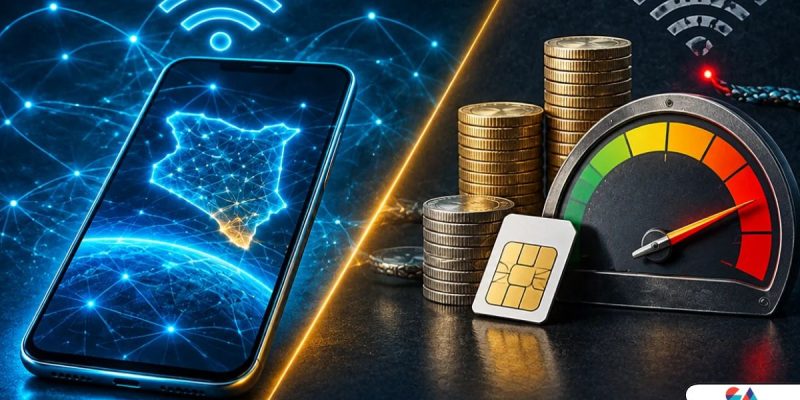
Kenya has been ranked among Africa’s top leaders in digital adoption—alongside South Africa—in the latest GSMA Digital Nations and Societies Index (DNSI) report highlighted across Kenyan media on November 26–27, 2026. The report praises Kenya’s wide 4G and 5G network coverage, clear digital policies, and strong integration of mobile technology into everyday banking, government services, and business.
However, GSMA’s Head of Africa, Angela Wamola, warned that building towers is only half the battle. Even where fast mobile internet is available, the high upfront cost of smartphones and ongoing mobile data prices still prevent millions of Kenyans from using the internet regularly.
Why Buying a Phone Remains Tough
For many low-income households and young people, owning a modern internet-enabled phone remains a major financial hurdle. Two local developments have shaped this challenge:
- 25% Mobile Phone Tax: An East African Community import duty introduced in July 2026 pushed up retail prices on entry-level smartphones. In October 2026, President William Ruto proposed scrapping the 25% mobile tax to make phones cheaper for students, small traders, and job seekers.
- Daily Installment Plans: Device-financing programs—such as Safaricom’s Lipa Mdogo Mdogo, which lets buyers pay from KSh 20 per day—have helped thousands get online, though daily fees add to the final cost.
Unlocking Everyday Digital Opportunities
As President Ruto noted when proposing the tax removal, a smartphone in Kenya is no longer a luxury—it serves as a classroom, bank branch, shopfront, and workplace. Lowering device taxes and keeping data bundles affordable will be key to turning Kenya’s strong network coverage into real economic gains for everyone.

Comments