
 By
By 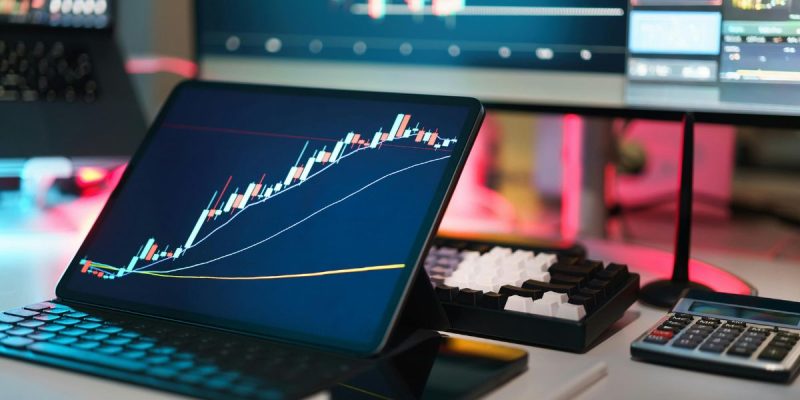
The trading industry has undeniably come a very long way. And if you’ve been in the sector long enough, you definitely remember those days when you had to travel to physical destinations to access the markets. But that’s no longer the case today. Thanks to the rise of online platforms, you can monitor markets and analyse charts, all with a tap of a button on your mobile phone.
Interestingly, mobile-based execution now accounts for about 73% of overall trading activity across many markets, says Global Growth Insights. The global online brokers and trading platforms market has already reached $10.91 billion and is expected to reach $12.29 billion by 2027. But just because a platform offers access to markets doesn’t automatically make it useful to everyday investors.
And as mobile trading continues to expand across emerging and established markets alike, investors become more selective. Whether someone is evaluating platforms in New York, London or looking for the best trading app in Kenya, the core question remains the same: what actually makes these apps useful for everyday investors? Well, if you’re looking for answers to this question, then staying around will do you well.
Start off your week with tech news recap and trending conversations in your inbox

Smart design for seamless trading
Clear, intuitive design
Imagine opening an app and being greeted with a sea of numbers, tiny buttons and technical jargon. Well, of course, you’ll most likely abandon it. As Modernise My Site reports, over six in ten users will leave a site within 5 seconds if confused. In the investment sector, where charts can be overwhelming, consumers might even be more impatient.
When you log in to an app, you don’t want to hunt for your account balance or recent trades. Rather, you’d want everything to be presented logically in a way that’s easy to understand. An everyday trader who’s juggling a lot in life rarely has time to sift through endless data points.
And if a platform fails to provide the information they need at a glance, it may frustrate and eventually cause them to lose interest. Thanks to well-designed platforms, even busy individuals can make informed trading decisions without feeling pressured.
This is a big part of why many investors go for platforms with:
- Customisable dashboards
- Logical navigation
- Visual consistency
Faster execution with minimal friction
Internet users, including investors, are generally fast-paced beings. If they encounter a slow-loading application, they’ll be less likely interact with it. Testlio recently published findings along these lines, suggesting that 70% of users abandon apps due to slow loading times. And given that even a second delay can mean missed opportunities, this figure could even be higher when it comes to placing trades.
To cater to the growing need for speed, applications now offer:
- Quick trade buttons
- Smart defaults like suggested order types based on goals
- Easy review screens
Data & Insights that inform better decisions
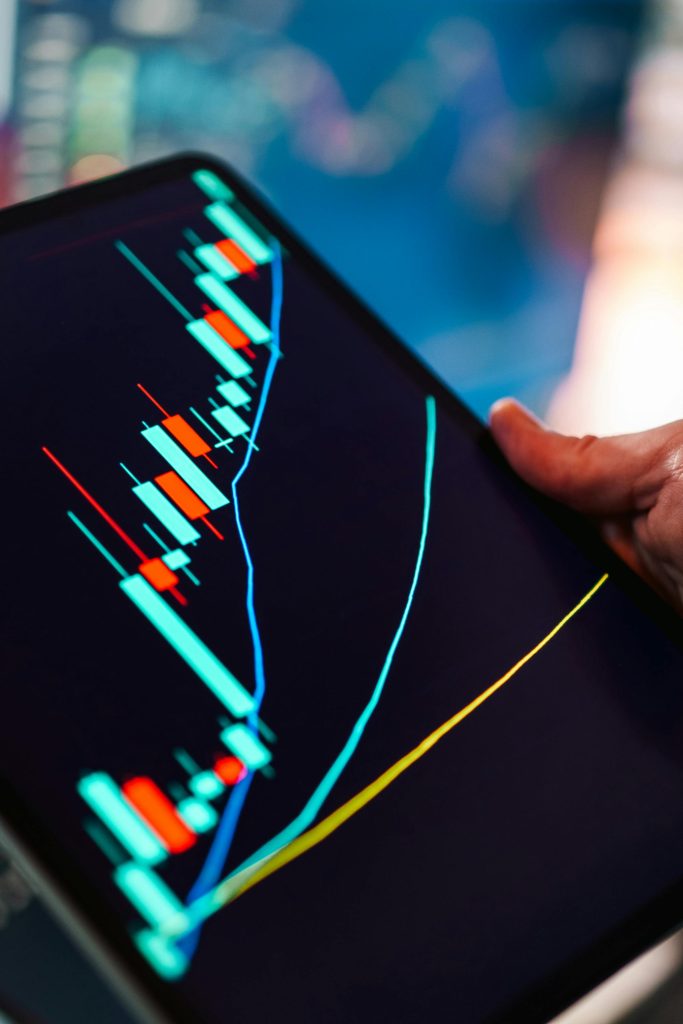
As much as price charts matter, the real value lies in context. For instance, if a stock jumps 8% in a day, you’d want to know why it moved without having to hop between apps. Such data, when presented clearly, can turn overwhelming numbers into actionable insights.
Mark you: Having the ability to take advantage of such movements is one of the marks of a great investor. But how can someone be opportunistic if they can’t access real-time data and insights? This is where highlighting historical trends, performance comparisons, and volatility indicators come into play.
But to make the experience even tighter, some platforms go so far as to personalise insights. Think of it this way: you hold a position in a tech stock. When you get tailored notifications about earnings misses or major analyst upgrades, you can respond quickly to important developments without scrambling through multiple sources.
Good enough; some of these notifications often include recommendations on actions a trader can take. In addition to notifications, access to tutorials and other educational materials should be available, especially for new investors.
Advanced functionality and safety
Cyberattacks have become so common that today’s traders never want to interact with an insecure platform. Imagine, according to APWG data, over one million phishing attacks were reported in Q1 2025 alone. Given the rate at which cybercriminals are advancing, these figures might translate to something unimaginable in the next few years if preventive measures aren’t adopted.
And sectors like trading, which have a lot of customer information, are particularly high-risk targets. This explains why robust security measures such as biometric logins are no longer negotiable. Regular investors need to feel confident in the safety of their accounts while making informed decisions.
Transparency also matters. With clear fee structures, traders can navigate the platform without the fear of hidden pitfalls. Breaking down every cost in plain language can also make a user feel respected. After all, who wants to be told they’re supposed to pay for some unexpected transaction charge they never anticipated? A useful app anticipates these concerns and addresses them upfront, giving users the confidence they need for their daily trades.
At a time when modern investors are highly discerning, it takes more than convenient market access to appeal to them. This is why they don’t consider every app to be useful. But if you can meet their need for a secure, transparent and seamless trading experience, then it becomes easier to earn their trust. And because this improves competitiveness, many investment applications now prioritise customer-centricity.
Feature image supplied
DISCLAIMER: This article is sponsored and does not substitute for professional advice or help. Any action you take based on the information presented in this article is strictly at your own risk and responsibility.




Spotted bet07 – another betting site I guess. Just giving it a quick test drive today! Link here if u wanna check it: bet07