
 By
By 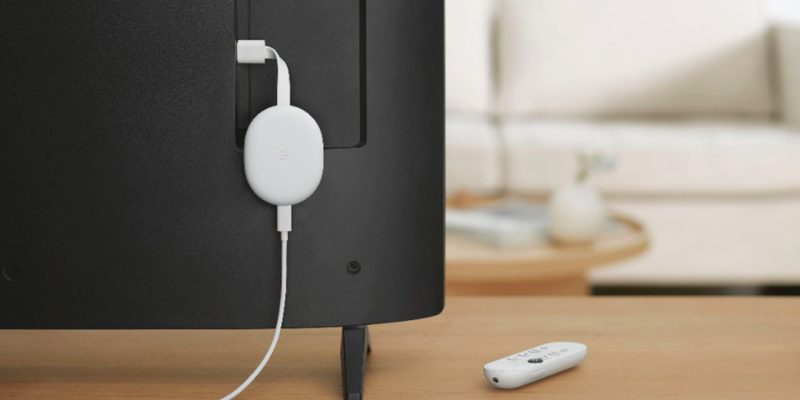
TVs are one of the greatest inventions of all time. However, you might be puzzled by the number of ports available at the back of your TV. TVs come with multiple ports that are not easily recognizable by everyone. This handy TV ports guide will let you know all you need to know about the most common TV ports and help you know specific details that are important for getting the right connection for the right device.
TV Ports Guide
HDMI
HDMI, also known as ‘High-Definition Media Input’, is the standard connection for modern video and audio across TVs and audio products. They are used for both video and audio. Most computers and consoles also come with HDMI ports, so you can connect your computer to your TV using the HDMI cable. HDMI transfers data without compressing or distorting it, delivering the highest-quality picture and sound.
Component
Component video ports on your TV are the red, blue and green ports. They were popular years back before the HDMI was popular; the component ports offered video quality of up to 1080p. If you own an older generation TV that isn’t HDMI compatible, you can use the ports to connect your media player. Even if you have HDMI, component inputs can be in handy for hooking up previous generation consoles like PlayStation, PlayStation 2, PlayStation 3, Xbox 360 and Wii.
VGA
If you want to connect your TV that doesn’t have HDMI capabilities, you can use VGA. The problem with VGA is the video quality will not be as good as the other ports like HDMI. VGA also doesn’t support audio; thus, you will need a separate audio connection cable.
USB
The USB port is one of the most common ports from TVs to PCs. These ports can be used to connect the USB drive to the USB port to view media on the TV. There are also several streaming media sticks that come with the USB format.
Ethernet
The Ethernet connections provide faster internet speeds than WiFi. It is essential to use this, especially if your television is not a smart TV. However, if the streaming speeds feel slow over WiFi, switching to using the ethernet port may be time. It will improve the streaming speeds.
There are many ports on today’s TV. Hopefully, this overview will help you decide what you will need on your new set for plugging into a world of entertainment components.


Comments